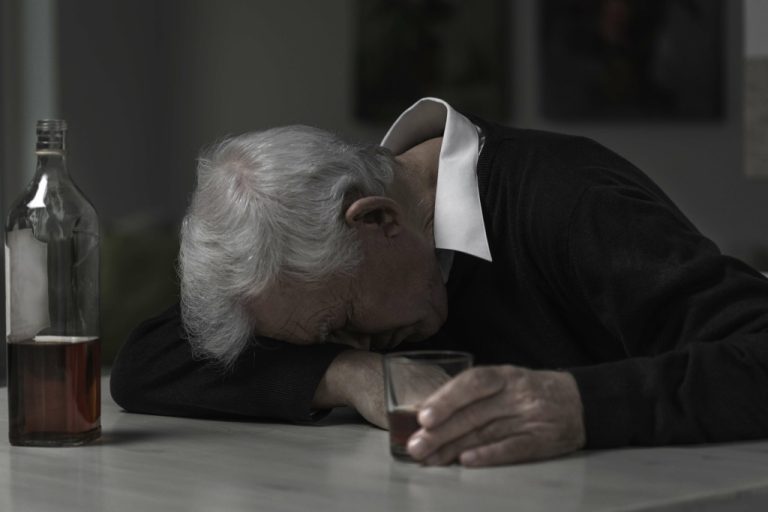
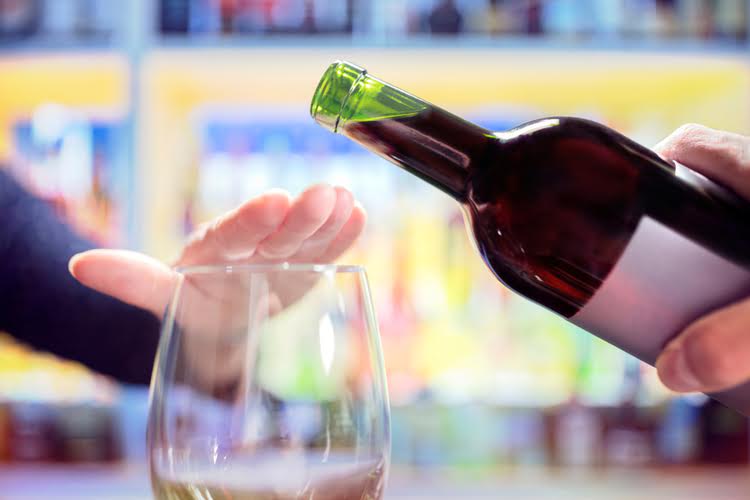
Dr. Kevin McCauley, a leader in addiction research, states the three main things that can invoke relapse are brief exposure to the drug itself, exposure to drug cues, and stress. Parties often serve alcohol, and there is the cue of walking up to the bar to order a drink. Not to mention the stress of buying gifts, seeing family, work deadlines, and New Year’s Eve parties.
Finding a Suboxone Doctor Near You Who Accepts Medicaid or Medicare —What You Should Know About Coverage and Care
- You’re making new habits, and habits are formed with little actions every day.
- When you label your triggers early, you give yourself room to create a plan.
- Perhaps journal about your thoughts, feelings, and experiences so you can review them in planning ahead for the next year.
- In general, the holiday season can be difficult for everyone, leading many to turn to drugs and alcohol to cope.
But for individuals in recovery, this time of year can feel like navigating a minefield. For our community in San Antonio, Texas, the pressure of social gatherings, family expectations, and the constant presence of alcohol can feel overwhelming. If you are committed to staying sober during the holidays, you may be facing an intensified landscape of triggers that can threaten your hard-earned progress. In other words, “this too shall pass.” There’s no reason to stress over one holiday season in your lifetime — it’s just another 24 hours of working on your recovery.
- Use “I” statements like “I feel uncomfortable when…” or “I’d prefer…” to clearly communicate needs without unnecessary drama.
- Going into the holiday season armed with only “willpower” is like walking into a storm without an umbrella.
- By preparing for potential triggers, prioritizing self-care, building a strong support system, and embracing new, meaningful traditions, you can navigate this time of year with confidence and purpose.
Build a Supportive Community

By planning ahead, seeking support, and practicing self-care, you can sober holidays not only maintain your sobriety but also create memorable and joyful holiday experiences that don’t rely on alcohol. Remember that your journey is unique, and there’s no one-size-fits-all approach. Choose the strategies that resonate with you and adapt them to suit your needs. With determination and the right support, you can navigate the holiday season with confidence and stay firmly on the path of sobriety. The holidays can be stressful for anyone, but the pressure is magnified for someone in recovery.

Stay sober and have a jolly holiday season with these expert tips
A relapse can be defined as a return to drug use after a period of abstinence. It can be a difficult and frustrating experience, but it is important to remember that it is not a failure. If you’ve been in treatment for some time—or have been to a therapist even just once—you are probably well-versed in what some of your coping skills are. It is not something that we force ourselves to do, or something we don’t enjoy doing. As Agnes Wainman explained, self-care is “something that refuels us, rather than takes from us.” Self-care isn’t a selfish act either.
Building Resilience in Recovery
Talking with your sponsor, therapist, or peers in recovery can help you process feelings and gain valuable advice for handling specific situations. Think through potential triggers, such as events where alcohol will be present or interactions with challenging family members. Planning gives you control over your environment and how you respond to it. Visualization is a powerful technique that can help you stay focused on your sobriety goals. Picture yourself navigating holiday events confidently and soberly, enjoying positive experiences, and feeling proud of your achievements.
- Social events often feel synonymous with drinking, making it tricky to avoid alcohol.
- The pressure to be cheerful despite feeling overwhelmed or sad can make addiction struggles more challenging to manage.
- You can use online directories such as the AA Meeting Guide app or regional fellowship websites to find these meetings.
- Track what you consume with a simple app or a tally on your phone so you can match choices to your goal of staying sober during holidays.
To help you stay centered, practice mindfulness techniques like deep breathing, grounding exercises, or guided meditation. When you feel overwhelmed, pause and remind yourself of your priorities and the steps you’ve taken to maintain your sobriety. Even in the merriest of times, stress, triggers, and loneliness can deter your focus on recovery.
The Pressure of Family Dynamics
Staying sober during the holidays may be challenging, but it is achievable with the right strategies and support. We’ve come up with 12 practical tips to help you maintain your sobriety throughout season. Invite members from your support network and list nonalcoholic beverage options in the invite. Tracking RSVPs and having a brief agenda makes the event feel normal and supportive while you focus on staying sober what is alcoholism during holidays.